
Lockdown II - The rationing
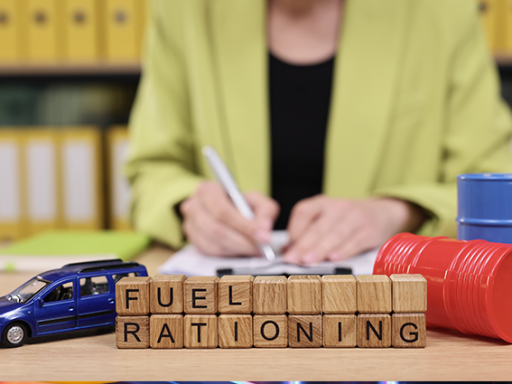
"Lockdown II - The Rationing" sounds like the worst 'made for TV' horror movie title ever, but unfortunately this is today's reality, the British government is considering fuel rationing and asking businesses to either consider a four day work week or asking people to work from home more, to drive less and to fly less. Fuel rationing and lockdowns, restricting travel, all because of a war approx. 4000 miles away that the UK is not directly participating in.
Further lockdown-style measures are being proposed, (remember Covid and how that impacted the economy?). There is concern that restricting business activity may have wider economic consequences, and that alternative ways of maintaining operations should be considered.
Real world impact
I was speaking with a food producer this week about the potential impact of fuel rationing and what plans they had made, it was enlightening when we went through all of the different things they use that need power to run their business:
- Computers and the internet for business admin and banking
- CCTV to keep an eye on the livestock shed (it's lambing season)
- Machines to grade and size products
- Fuel for local deliveries
- Lighting in all of the sheds
- Farm equipment such as tractors
- Irrigation pumps
- Climate control for produce storage
- Being rural, further to travel to deliver goods
We were talking about the impact that proposed fuel rationing would have and it is potentially catastrophic. This could result in spoilage of some of the produce, something that hard pressed farmers could do without.
We then got onto mitigation plans and we got very creative:
- using a biofuel generator
- coupled with some solar to keep the business going to smooth out any power glitches
- using AI to consolidate deliveries by planning smarter, more fuel efficient delivery routes
What is the impact to other businesses
The Covid lockdown introduced a lot of people to the new experience of working from home and a lot of people liked it so much, they refused to go back to the office. As a result it has taken a long time for a large number of businesses to get staff to return to normal office working five days a week.
In fact the civil service still suffers from struggling to get staff back into the office, which is probably why it is no surprise the same civil service is recommending to the government that they tell businesses to look at a 4 day work week or to ask staff to work from home. This is because they also think they should:
- Prioritise fuel for emergency service vehicles
- Reduce speed limits on faster roads to help with fuel economy
- Reduce non essential travel
- Encourage more public transport use
What does this specifically mean for your business?
Businesses once again find themselves potentially gearing up for working from home where roles will allow because they are being asked by the government to reduce fuel demand and commuting pressure. The Covid lockdown was six years ago, so a lot of businesses that purchased laptops so staff could work from home, might be needing to get replacement equipment to allow their staff to securely work from home again.
Some businesses though have operational challenges for roles that cannot be done remotely such as healthcare, some retail outlets, manufacturing, trades, and logistics potentially worsening workforce availability. Then there is the knock-on disruption to schools/colleges if staff and transport are constrained, requiring additional greater dependence on remote learning, where feasible.
Let's also consider digital strain - power interruptions can impact internet connectivity, device charging and resilience of home and business networks.
The other pitfall is that there is the potential for a short-term demand spike regarding equipment to help with working from home again, with businesses gearing up for potential outages. There is a rise in demand for laptops, power protection such as personal UPS devices for desktops and power generation, including generators to help businesses try to smooth out power issues.
As businesses buy the same tech at the same time, it drives up demand, reduces supplies and may lead to shortages and price hikes, especially for those putting things off and coming late to the party.
Now is really a time to plan for the worst, hope for the best because the world is becoming unpredictable and more volatile and businesses need to adapt and become more resilient in how and where they work.
Call us on 01722 411 999 if you would like more information on how to add resilience into how your business can adapt and how to smooth the up coming bumps in the road.