
Why Outdated IT Equipment Is Could Be Costing Your Business More Than You Think
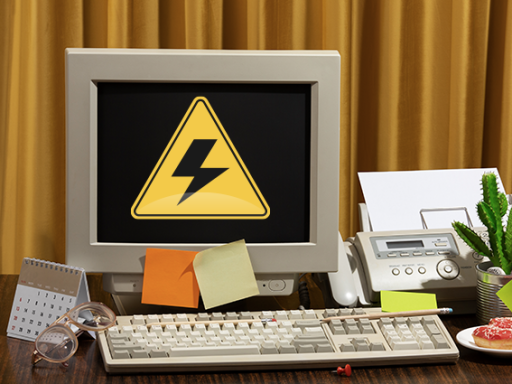
Upgrade to Energy Efficient Solutions for Improved Performance and Savings
Many businesses underestimate the true cost of running outdated IT equipment, often using the mantra, "if it ain't broke, don't fix it", thinking that computers run at a certain speed and don't slow down over time, which alas, isn't true.
While it may seem economical to squeeze as much life as possible from old computers, monitors and network devices, the reality is that older technology is often far less efficient, both in terms of energy usage and staff productivity.
Let’s start with the basics: older computers (servers, desktops and laptops) tend to consume significantly more electricity than their modern alternatives. Older machines often lack the advanced power management features, more energy efficient processors and optimised components found in new models.
This means older computers draw a lot more power, they generate a lot more heat, and typically require greater cooling if they are running in close proximity to each other, further driving up energy bills.
Moreover, legacy monitors—especially those using outdated fluorescent backlighting—can be up to 60% less energy efficient than modern LED equivalent displays.
Storage is another area where inefficiency lurks. Old spinning hard disks (HDDs) not only use a lot more energy but they also operate more slowly and are prone to more data errors than solid state drives (SSDs). SSDs consume less power, produce less heat, run significantly faster, greatly reduce boot times and application load speeds, leading to much more efficient workflows and resulting in less waiting around for staff.
What happens if you upgrade
The cumulative effects are tangible:
- A significant boost to staff productivity and efficiency, often lifting morale—after all, no one enjoys working with sluggish systems.
- Energy consumption come down, as does the bill, which in this uncertain world is no bad thing, especially with the current price fluctuations due to the Iran / US war
- Improve work flexibility by switching staff away from desktop computers to laptops with a dock, allowing staff to work as if they are using a desktop, with the option of working anywhere with a laptop
- Switching to laptops improves data protection, if energy becomes less stable, a laptop has a built in battery so that if there is a power cut, the laptop stays on, allowing staff to open the laptop (if using a dock) and save their work to the local storage
- Newer networks are more energy efficient and run at faster speeds, especially newer wireless protocols that run much faster
But the costs don’t stop at energy and improved speed and efficiency. Older equipment is prone to hardware failures, leading to unexpected outages, repair expenses and potential data loss.
Older equipment is also more prone to security vulnerabilities because the manufacturers stop issuing updates for these legacy devices, putting your business at risk from cyber threats. Modern hardware not only helps reduce these risks but often comes with enhanced security features baked into the devices.
Investing in new, energy efficient equipment is more than just a cost-saving measure. It is a strategic move that supports sustainable business growth with:
- Lower energy bills
- Improved staff productivity
- Reduced maintenance headaches
- Enhanced security
- Support for new functionality that is coming like support for AI
All of which combine together to create a robust IT infrastructure that empowers your team and protects your bottom line. If you are still running your business on outdated technology, now is the time to reconsider and plan for an upgrade.
Call us on 01722 411 999 to see how much your business would benefit from improved staff productivity and reduced energy costs.